
You've probably seen it happen. A child has a dozen stuffed animals on the bed, but there's always that one: the bear with the chewed ear, the rabbit whose fur has been loved flat, the dog whose nose fell off three years ago. Offer them a brand-new, identical replacement and they'll look at you like you've lost your mind. It has to be that one.
If you've ever wondered why, the answer isn't just sentimentality. It's one of the most studied phenomena in child development — and it has a name.
Meet the "Transitional Object"

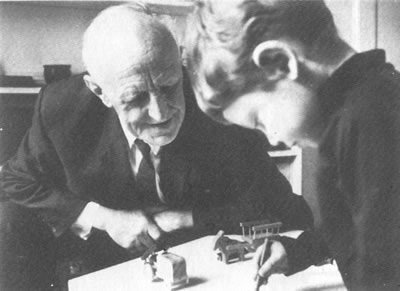
In the 1950s, a British pediatrician and psychoanalyst named Donald Winnicott noticed something fascinating in his clinical work with young children and their mothers. Many children, somewhere between the ages of four months and a year, would form an intense attachment to a specific soft object — a teddy bear, a plush rabbit, a blanket, sometimes even a bit of cloth from a crib.
Winnicott called these items "transitional objects", and he argued they play a genuinely important role in healthy psychological development.
His idea, in plain language: a baby starts life experiencing the world as an extension of their mother. Warmth, food, comfort, safety — all of it flows from her. But at some point, every child has to make the leap toward understanding that they are a separate person in a separate world. That's a big leap. It can be scary. And a soft, huggable object becomes the bridge.
The stuffed animal isn't mom, but it isn't not mom either. It's something in between: a comforting, controllable, always-available stand-in that helps a child practice being alone, self-soothe, and build confidence in their own separateness. Winnicott saw these objects as a child's first creative act — the first thing they claim as mine in a way that feels emotionally charged and meaningful.
Why It Has to Be That One

Here's where it gets interesting for parents who've ever tried the secret-swap trick.
Transitional objects aren't interchangeable. The specific bear matters — not because of how it looks, but because of everything it has absorbed. The familiar smell. The exact texture of fur that's been hugged thin in specific spots. The weight in a child's arms. The memory of being held during thunderstorms, car rides, doctor visits, and nights when a bad dream woke them up at 3 a.m.
A new bear, even an identical one, has none of that history. To a child, it's an impostor. And developmental psychologists have actually tested this: studies have shown that young children will reliably reject a duplicate of their beloved object, even when they can't see any visible difference. They seem to understand, at some deep level, that the object's identity is tied to its history — not just its appearance.
This is why the grubbiness, the missing eye, the faint sour-milk smell that no wash can fully remove — these aren't flaws. They're the very things that make the object real.
What This Means for Parents (and Why You Shouldn't Panic)
A few reassuring things worth knowing:
It's a sign of healthy development, not clinginess. For decades, parents worried that a child's obsessive attachment to a stuffed animal meant insecurity or over-dependence. Winnicott's work — and the research that followed — flipped this on its head. Having a transitional object is associated with secure attachment, not anxious attachment. It means the child has the psychological tools to comfort themselves.
Most children grow out of it naturally. The intense phase usually peaks between ages one and three, then gradually fades on its own timeline. Some children quietly retire their bear around kindergarten; others keep it tucked in a drawer well into adulthood. Both are normal.
It's not just a childhood thing. Studies of adults have found that a surprising percentage still keep a childhood stuffed animal somewhere meaningful — in a closet, on a shelf, packed with them when they move. And it's not something to be embarrassed about. The comfort these objects provide is real, and the emotional memory they carry is part of a person's story.
Don't force the goodbye. Pediatric psychologists generally agree that rushing a child to give up their transitional object tends to backfire. It's a tool they're using, and they'll put it down when they no longer need it. Trying to speed up the process can actually prolong the attachment by making the object feel more precious and harder to let go of.
The Bigger Picture
What Winnicott understood — and what makes his theory endure more than seventy years later — is that a stuffed animal isn't really about the stuffed animal. It's about what it represents: a child's first experience of love they can carry with them. A first relationship they get to shape on their own terms. A first object that holds meaning beyond its physical form.
When you give a child a soft, huggable friend, you're not just giving them a toy. You're giving them a tool for growing up — something they'll press their face into during hard moments, drag around by one arm on good days, and possibly remember for the rest of their lives.
That's a lot of weight for a small bear to carry. Luckily, they're built for it.